AFP Video

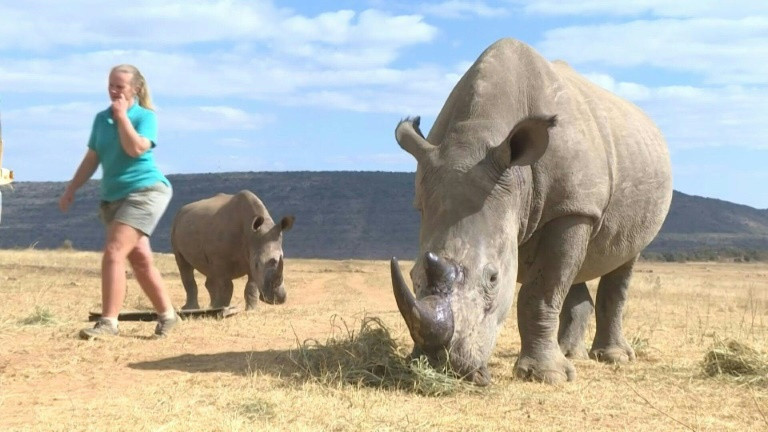
South African scientists turn rhino horns radioactive to curb poaching


Mokopane (South Africa) (AFP) – Injecting radioactive material into live rhino horns, the Rhisotope project has found a new way to curb poaching in South Africa, home to about 15,000 rhinos. By placing small chips in the thick-skinned herbivores’ horns, the team is effectively rendering them poisonous for human consumption and easily detectable.


©AFP

As climate change melts its icy coat, Everest gives up its ghosts


Everest (Nepal) (AFP) – On Everest’s sacred slopes, climate change is thinning snow and ice, increasingly exposing the bodies of hundreds of mountaineers who died chasing their dream to summit the world’s highest mountain. So far, five bodies have been retrieved by Nepal’s 2024 mountain clean-up team.

©AFP

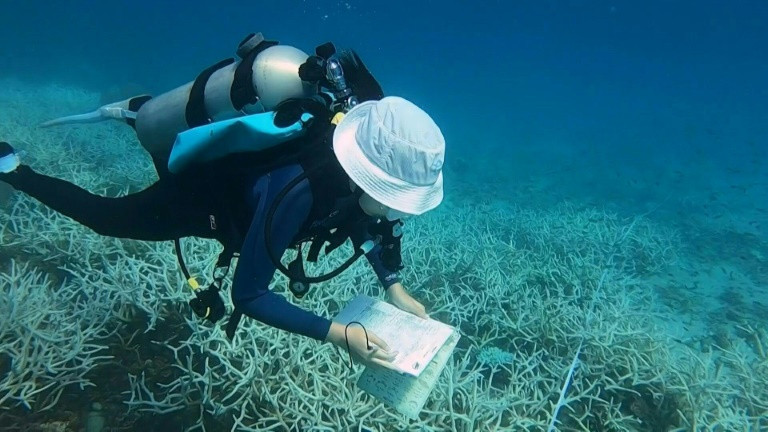
Divers turn conservationists as corals bleach worldwide


Koh Tao (Thailand) (AFP) – Nannalin Pornprasertsom is one of a growing number of scuba divers learning conservation and citizen science techniques as coral reefs experience the world’s fourth global bleaching event. The death spiral is everywhere in the waters around Thailand’s Koh Tao where Pornprasertsom uses her new skills to monitor the health of the reef.

©AFP

Hong Kong LGBTQ couples seek love, recognition in mass wedding


Hong Kong (AFP) – Ten LGBTQ couples tie the knot in a mass wedding in Hong Kong attended by their families and friends. Despite exchanging vows in the Chinese city, the newly-weds had to legally register their marriages in the United States via an online process, as Hong Kong does not recognise same-sex unions.

©AFP

Ukraine showcase Olympic outfits ahead of Games marred by war


Kiew (AFP) – Kyiv presents its new outfits for the Paris 2024 Olympic Games. Some shirts feature ears of wheat, while others are embroidered with vyshyvanka braids, traditional embroideries widespread in Ukraine, forming the word “victory”.

©AFP

Close Bitnami banner
Bitnami